
What Is Artificial Intelligence?
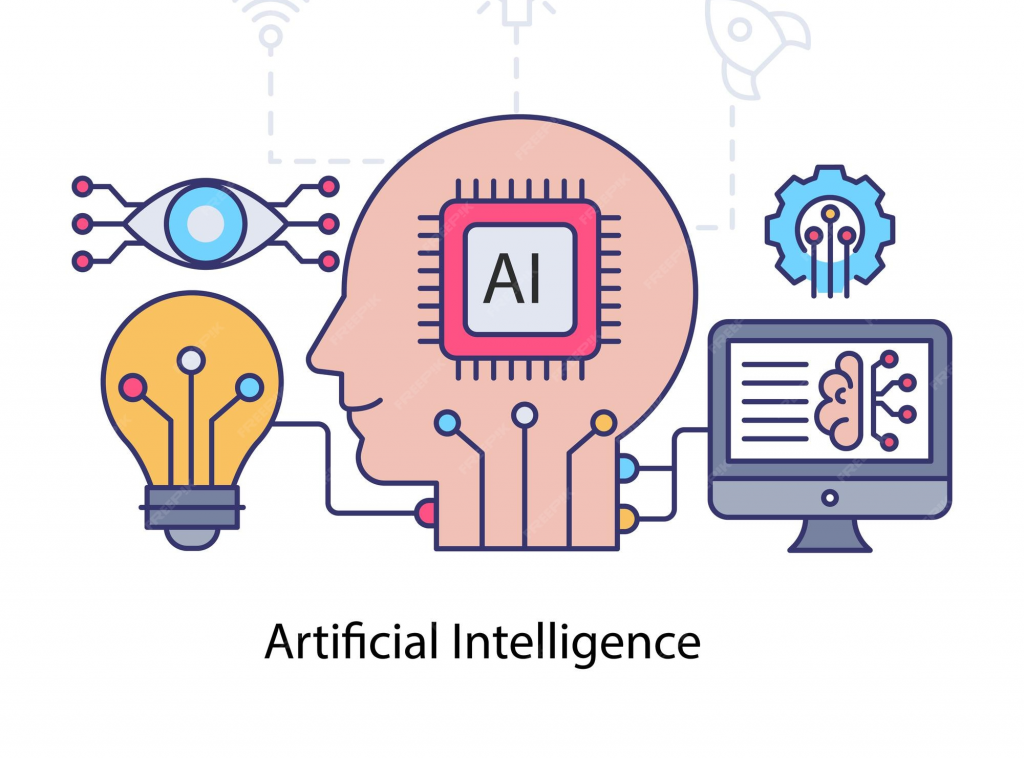
Artificial Intelligence (AI) is the science of creating machines that can perform tasks requiring human-like intelligence, such as learning, problem-solving, and decision-making. It’s already shaping industries from healthcare to entertainment, and its influence will only grow in the coming years.
Artificial Intelligence refers to computer systems designed to mimic human cognitive functions. These include:
- Reasoning: making decisions based on data.
- Learning: improving performance over time through experience.
- Perception: interpreting inputs like speech, images, or text.
- Problem-solving: finding solutions to complex challenges.
The term “AI” was first coined in 1955 by computer scientist John McCarthy, marking the start of serious research into intelligent machines.
⚙️ How Does AI Work?
At the heart of AI are algorithms—sets of rules that guide machines in performing tasks. AI systems rely on large amounts of data to identify patterns and improve accuracy. Key techniques include:
- Machine Learning (ML): Computers learn from data without explicit programming.
- Neural Networks: Inspired by the human brain, these systems process information in layers.
- Deep Learning: Advanced neural networks that excel at tasks like image recognition and natural language processing.
🌍 Real-World Applications
AI is no longer confined to labs—it’s everywhere:
- Healthcare: Diagnosing diseases, predicting patient outcomes, and assisting in drug discovery.
- Business: Automating customer service with chatbots, optimizing supply chains, and detecting fraud.
- Transportation: Powering self-driving cars and smart traffic systems.
- Entertainment: Recommending movies, generating music, and creating digital art.
⚖️ Benefits and Challenges
- Benefits: Efficiency, accuracy, personalization, and the ability to handle massive data sets.
- Challenges: Ethical concerns, job displacement, bias in algorithms, and debates over “general AI” (machines with human-level intelligence).
✨ Conclusion
Artificial Intelligence is transforming the way we live and work, offering both opportunities and challenges. While today’s AI excels at specific tasks, researchers continue to pursue the vision of general AI—machines that can think and reason across domains like humans. For now, AI remains a powerful tool that, when used responsibly, can drive innovation and improve lives.